Collaboration

Partnerships for research, development, and technology transfer – from collaborative projects to tailored innovation solutions.

About SAL

Insights into SAL’s mission, values, research activities, and contribution to Europe’s innovation ecosystem.

ISOLDE

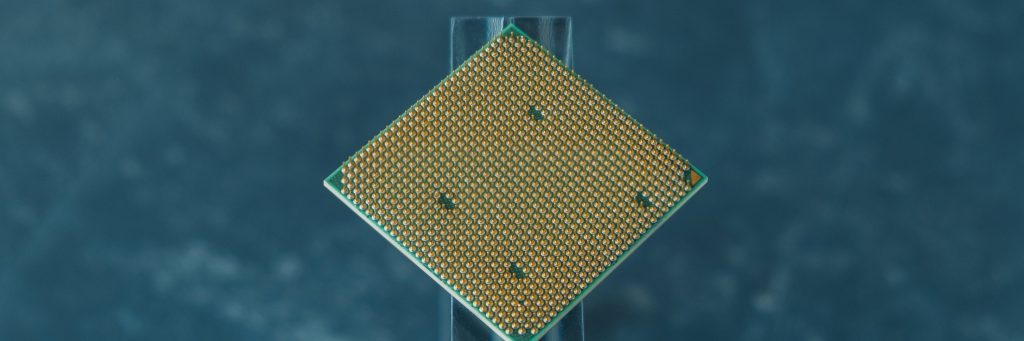
The ISOLDE project aims to extend, further develop and indus­tri­alize the Euro­pean RISC-V ecosystem. RISC-V is an instruc­tion set archi­tec­ture based on the Reduced Instruc­tion Set Computer (RISC) design prin­ciple. The project aims to leverage the open source commu­nity to enhance the secu­rity of the RISC-V archi­tec­ture and make the system more robust against attackers.

Project goals

In the course of the Euro­pean Chips Act, the Euro­pean Commis­sion has launched initia­tives to advance Europe's digital sover­eignty. One of the initia­tives is creating and expanding a RISC-V open-source ecosystem within Europe. The project ISOLDE aims to

  • signif­i­cantly support the digital trans­for­ma­tion of all economic and soci­etal sectors,
  • speed up the tran­si­tion towards a green, climate neutral and digital Europe,
  • strengthen the design capacity and
  • achieving digital autonomy EU wide.

SAL's primary re­search focus in this project is to develop inno­v­a­tive concepts for hard­ware-based accel­er­a­tors in post-quantum cryp­tog­raphy and event-based convo­lu­tional oper­a­tions. For the arith­metic heavy oper­a­tion profile of cryp­to­graphic algo­rithms emphasis is placed on explo­ration of iden­ti­fying promising sepa­ra­tion in between heteroge­nous hard­ware units and their accom­pa­nying soft­ware mates.

At the end of the project, the project consor­tium aims to have high-perfor­mance RISC-V process­ing systems and plat­forms with at least TRL 7. They will be demon­strated for impor­tant Euro­pean appli­ca­tion areas such as auto­mo­tive, space and IoT. To achieve this ambi­tious goal, industry-stan­dard open-source support for devel­op­ment, veri­fi­ca­tion and main­te­nance will be provided. The customiz­able IPs will be hosted on Euro­pean servers to meet the require­ment of Euro­pean digital sover­eignty. In this way, ISOLDE will make an impor­tant contri­bu­tion to unifying and focusing the ecosystem for the open-source RISC-V archi­tec­ture, in partic­ular in the area of high-perfor­mance computing, thus creating a break­through design capa­bility across the EU micro­elec­tronics industry.

Research program

KDT is a tripar­tite initia­tive of the Euro­pean Union (repre­sented by the Euro­pean Commis­sion), more than 30 partic­i­pating coun­tries (EU member states and asso­ci­ated coun­tries) and industry (repre­sented by 3 industry asso­ci­a­tions from the elec­tronic compo­nents and systems sector). KDT is the successor program of ECSEL (Elec­tronic Compo­nents and Systems for Euro­pean Lead­er­ship).

Project Consortium

Project
facts

Title: ISOLDE (HIgh Performance, Safe, Secure, Open-Source Leveraged RISC-V Domain-Specific Ecosystems)
Program: FFG – Key Digital Technologies (KDT)
Project Leader: Willibald Krenn
Consortium Leadership Infineon Technologies Austria AG
Dura­tion: 3 years (1 May 2023 - 30 April 2026)

Similar Projects

Discover more projects with similar focuses and technologies.

Surf's Up

The „Surf's Up“ project is dedicated to the development of a new generation of high-frequency filters and resonators based on a new layer transfer technology and the production of epitaxial nitride layers using magnetron sputtering....

Supreme

SUPREME develops scal­able manu­fac­turing processes for super­con­ducting quantum devices and provides pilot-line services for acad­emia and industry to accel­erate the tran­si­tion from re­search to indus­trial produc­tion. By offering pilot fabri­ca­tion, process design kits (PDKs), and commer­cial­iza­tion support, SUPREME strengthens Europe’s quantum tech­nology ecosystem and tech­no­log­ical sover­eignty.

MIRAC

Within the scope of the „MIRAC“ project, sensor algorithms and microfabrication processes are being developed for a spectrometer based on a Fabry-Pérot interferometer, utilizing Piezo-MEMS and Metasurfaces, thereby creating a foundation for future applications in consumer products….

Contact

Business Development
DI Heimo Müller
Head of Business Development
Graz
Project Manager
Dr. Willibald Krenn
Head of Research Division Embedded Systems
Graz

Newsletter

Our Science & Stories newsletter provides the latest news, bietet aktuelle Neuigkeiten, Forschungshighlights und spannende Einblicke
von Silicon Austria Labs – direkt ins Postfach.